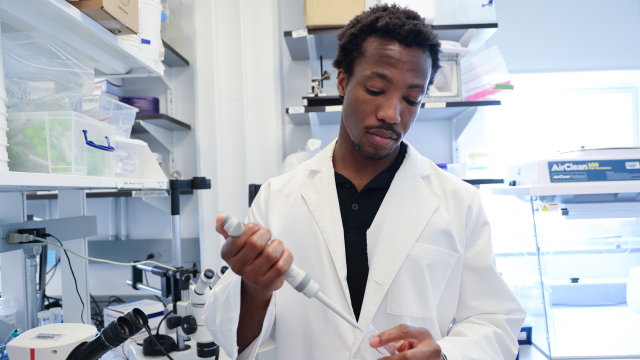
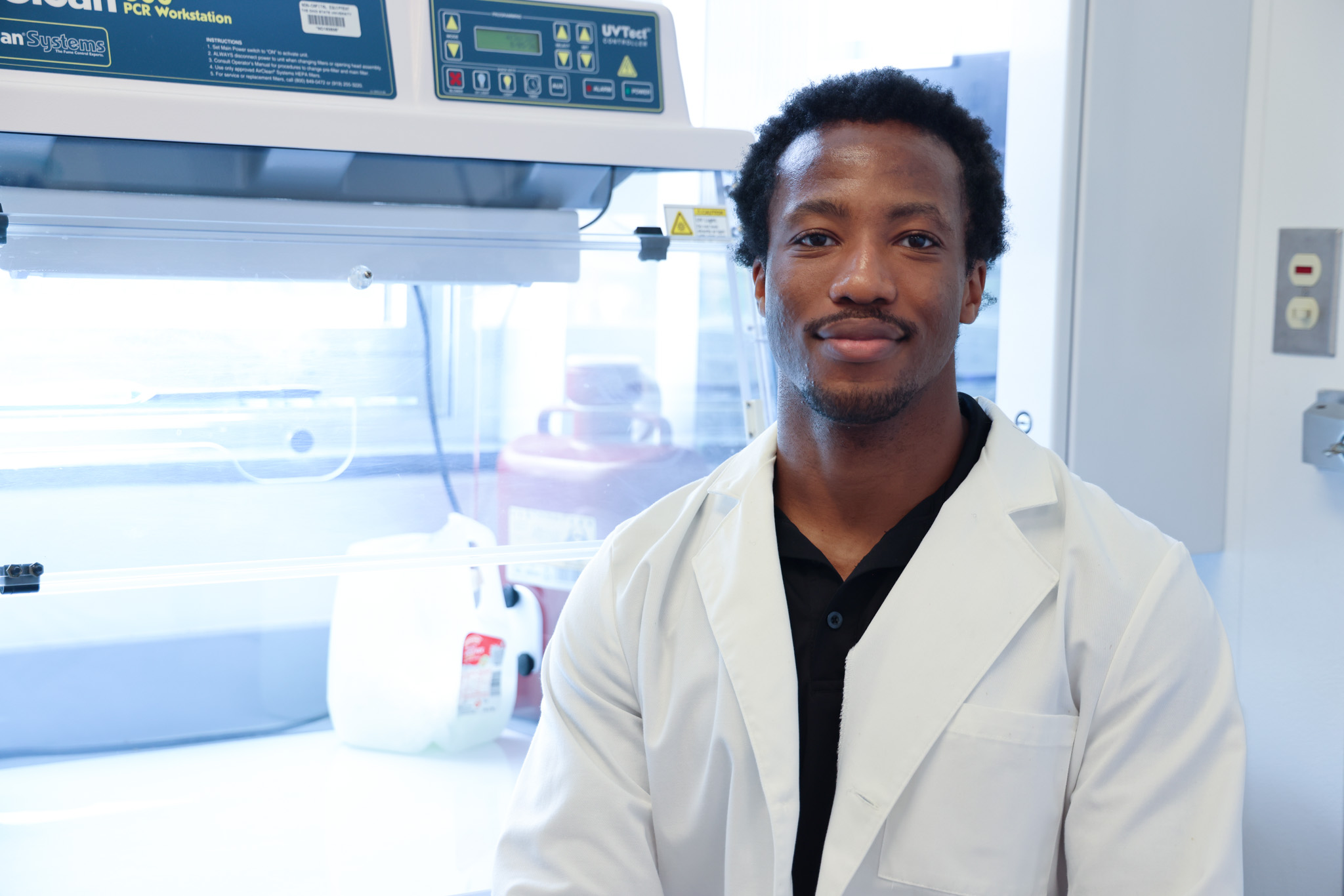
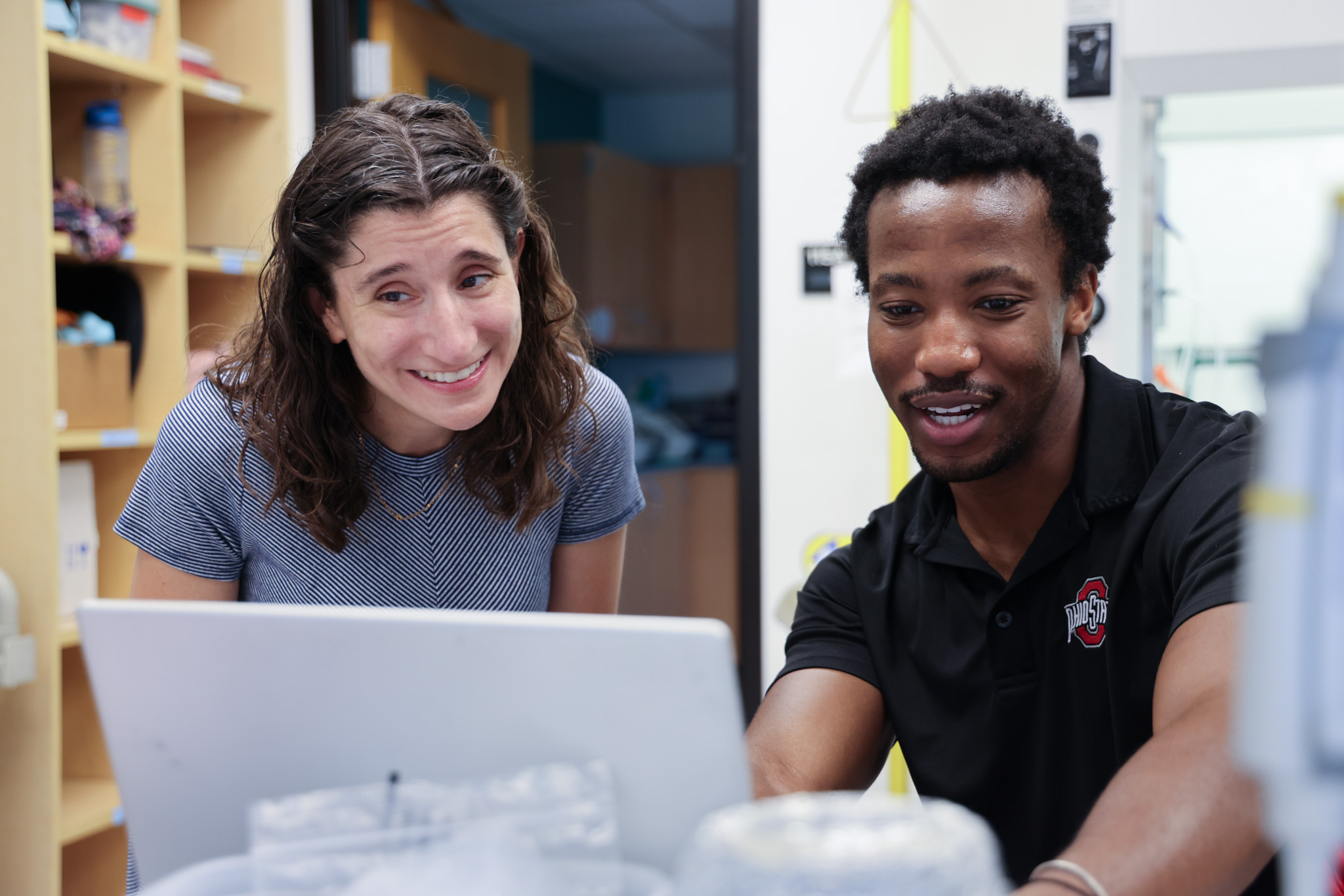
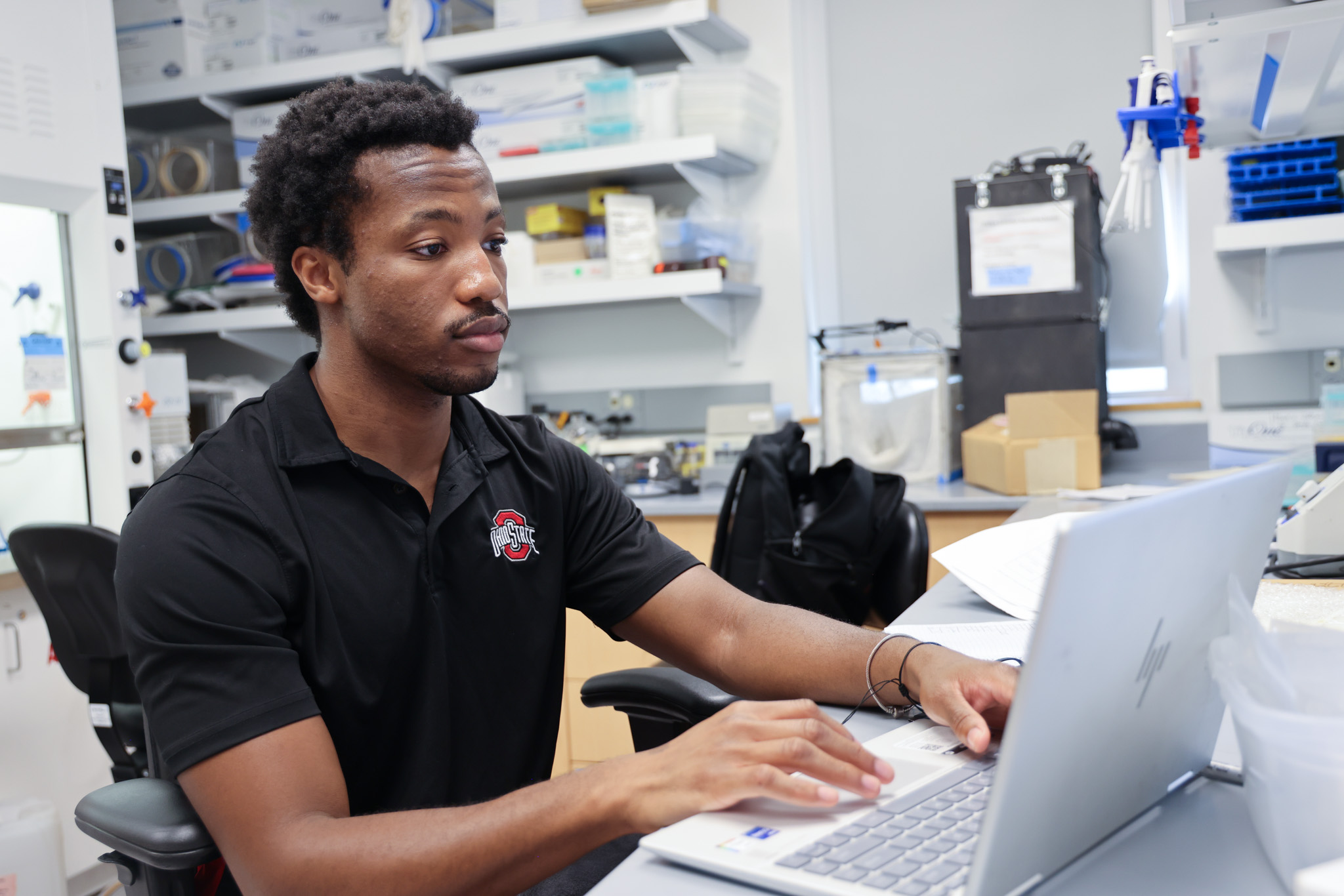
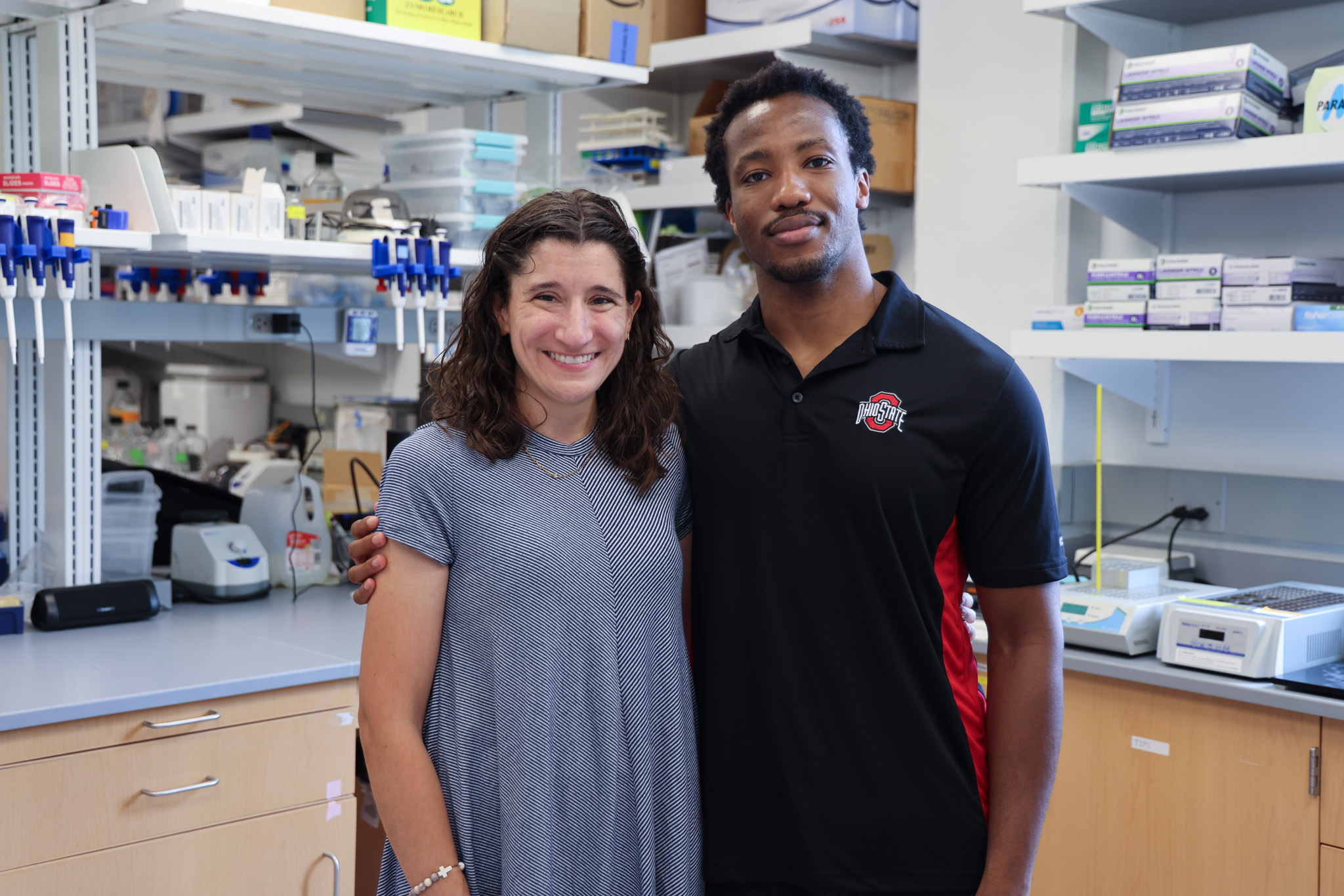
For Cyprian Okoroafor, research is an opportunity to contribute to a larger goal while developing the skills needed to answer important public health questions.
A senior majoring in Pharmaceutical Sciences, Okoroafor is participating in Ohio State’s Undergraduate Research Apprenticeship Program (URAP) under the mentorship of Dr. Megan Meuti. By studying the feeding patterns of mosquitoes in Ohio, he is helping researchers better understand factors that contribute to the transmission of diseases such as West Nile virus.
“My research focuses on identifying the vertebrate blood meal hosts of Culex pipiens mosquitoes in Ohio,” Okoroafor said. “The goal is to better understand what animals these mosquitoes feed on and how those feeding patterns may affect the spread of diseases like West Nile virus.”
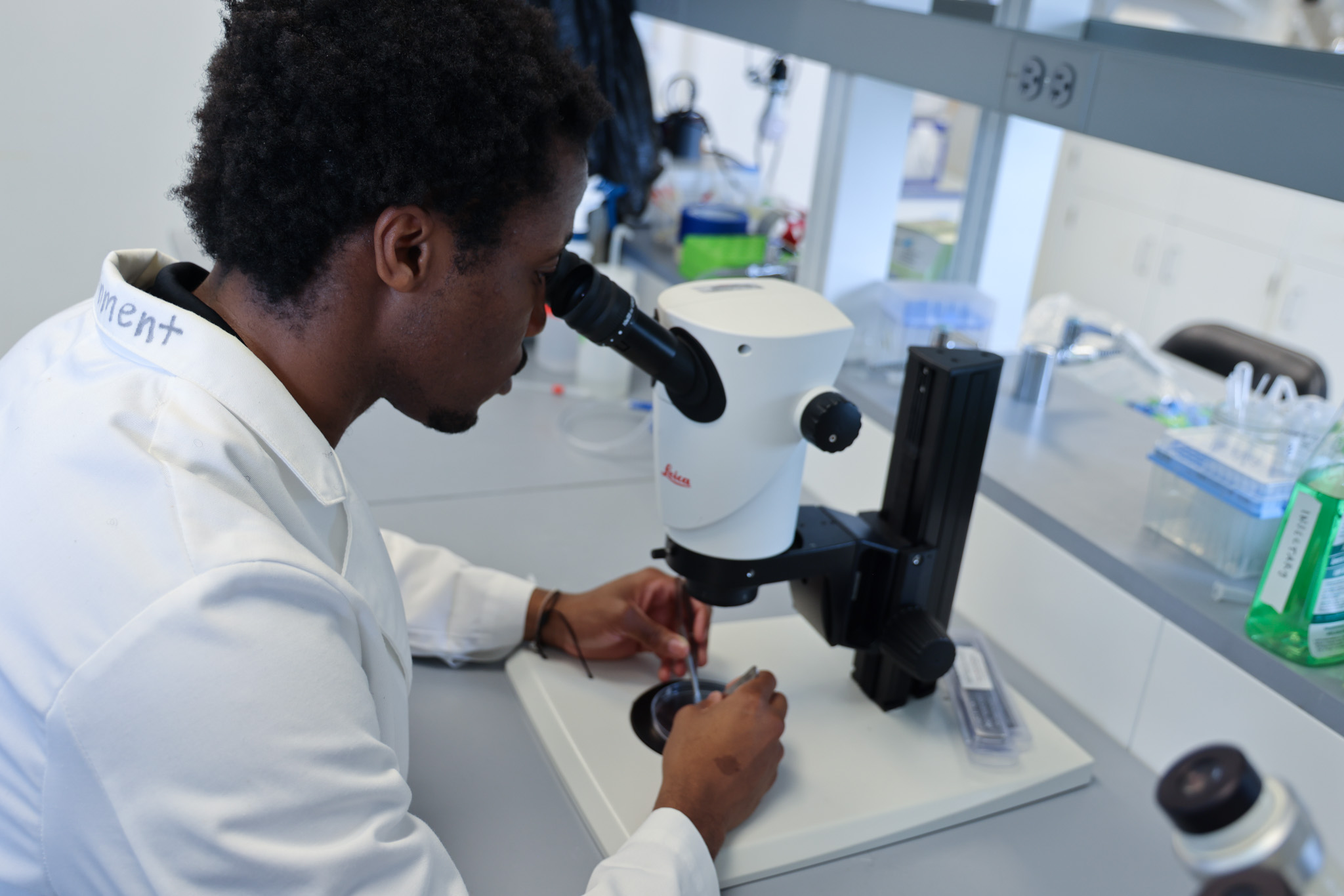
His work involves extracting DNA from blood-fed mosquitoes and using laboratory techniques such as PCR and gel electrophoresis to identify the host species. The findings can help researchers compare feeding patterns across different locations and better understand factors that influence disease risk.
For Okoroafor, one of the most rewarding aspects of research is the opportunity to discover new information and contribute to broader scientific knowledge.
“I like that research gives me the opportunity to learn something new and contribute to a bigger goal,” he said. “I enjoy solving problems, analyzing results and knowing that my work could help improve our understanding of disease and support future research.”
Through his time in the lab, Okoroafor has gained a deeper appreciation for the persistence and precision that scientific research requires.
“I’ve learned that research takes patience, attention to detail and persistence because things don’t always work the first time,” he said.
As he continues his research journey, he hopes to build on those experiences by mastering new laboratory techniques and becoming more confident in designing experiments and interpreting results.
“I hope to continue learning new lab techniques and become more confident designing experiments and interpreting results,” Okoroafor said.
Through URAP, Okoroafor is gaining hands-on experience that is strengthening his research skills while contributing to a greater understanding of disease transmission and public health.